There’s no question that smart homes enhance everyday living — from the moment you wake up to the moment you sleep. Imagine your bedroom lights gently brightening, mimicking sunrise, while the thermostat quietly adjusts to your preferred morning temperature and the coffee maker begins brewing in the kitchen below. No alarm blaring. No fumbling with switches. Just a home that already knows what you need before you do.
This is not the future. It’s the reality of smart home technology in 2026. And it’s changing not just how we interact with our spaces, but how we experience life within them.
What Exactly Is a Smart Home?
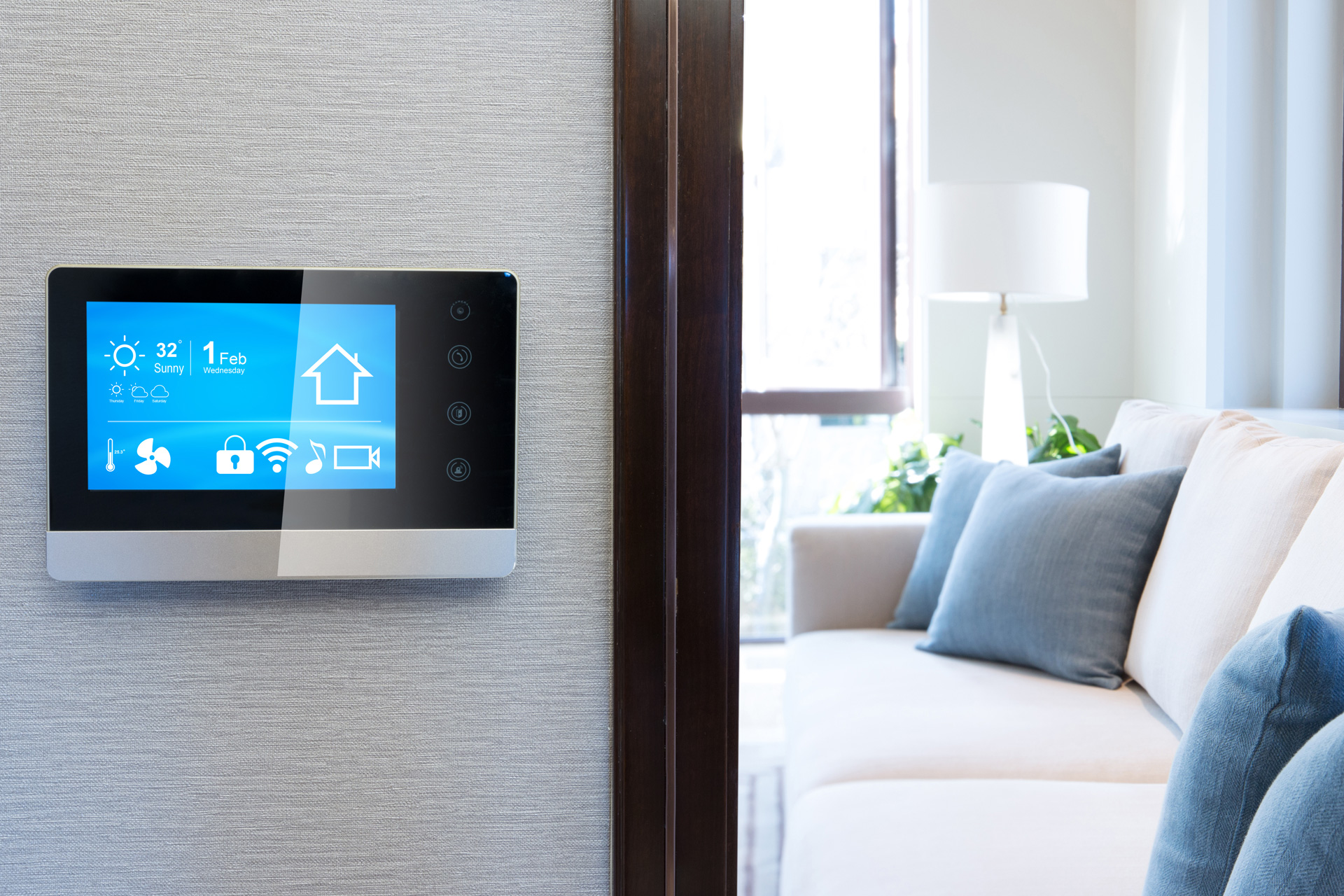
A smart home is a residence where everyday devices — from lights and locks to thermostats and kitchen appliances — are connected to the internet and can communicate with each other, with you, and with AI assistants. The result is a living environment that can be monitored, automated, and controlled remotely through a smartphone app or a simple voice command.
The term “smart home” often evokes images of tech-obsessed early adopters surrounded by cables and dashboards. But that stereotype is rapidly becoming obsolete. Today’s smart home ecosystems — from Apple HomeKit and Google Home to Amazon Alexa and Samsung SmartThings — are designed for everyone, prioritizing simplicity, elegance, and genuine lifestyle value.
This is precisely how smart homes enhance everyday living: not with complexity, but with quiet intelligence.
“The best smart home technology disappears into the background. You simply feel more comfortable, safer, and more in control — without thinking about the technology at all.”
6 Powerful Ways Smart Homes Enhance Everyday Living
Understanding how smart homes enhance everyday living starts with looking at the real impact on daily routines. Whether you’re a minimalist who wants to reduce friction or an experience-seeker designing the ultimate luxurious retreat, here are the six most meaningful ways smart home technology transforms daily life.
1. Energy Efficiency
Smart thermostats learn your schedule and preferences, automatically adjusting temperature to reduce waste. Combined with smart lighting that turns off in empty rooms, homeowners see measurable reductions in energy bills month over month.
2. Enhanced Security
Video doorbells, smart locks, and AI-powered cameras give you real-time visibility into who’s at your door — from anywhere in the world. Automated alerts, facial recognition, and geofencing create a security layer that never sleeps.
3. Effortless Comfort
Scene automation means a single phrase — “good morning” or “movie time” — triggers a cascade of perfect conditions: the right lighting, temperature, music volume, and even the position of smart blinds.
4. Accessibility & Independence
For the elderly and those with mobility challenges, smart home technology provides life-changing independence. Voice-controlled lights, automatic doors, and medication reminders reduce reliance on assistance and boost quality of life.
5. Time Savings
Automated routines eliminate the mental overhead of repetitive tasks. Robot vacuums run on schedules, smart appliances notify you when laundry is done, and grocery sensors track what you’ve run out of — reclaiming hours every week.
6. Sustainable Living
Smart homes make it genuinely easy to live more sustainably. Monitor your real-time energy consumption, optimize EV charging schedules for off-peak hours, and integrate solar panels and battery storage into a seamless energy ecosystem.
How to Build Your Smart Home: Where to Start
The prospect of “building a smart home” can feel overwhelming, but the reality is far more accessible. Most smart home journeys begin with a single device — typically a smart speaker or smart bulb — and expand organically as the convenience becomes addictive.
Step 1: Choose Your Ecosystem
Before buying anything, decide on a primary platform. Amazon Alexa, Google Home, and Apple HomeKit are the three dominant ecosystems, and while they increasingly support cross-platform devices via the Matter standard, choosing a primary hub ensures the smoothest experience. Consider which smartphone OS you use, which voice assistant you prefer, and which brands you’re drawn to aesthetically. For a deeper look, check out our complete guide to choosing a smart home ecosystem.
Step 2: Start With High-Impact Devices
The best entry points for new smart home adopters are devices that deliver immediate, tangible value: a smart thermostat (Nest or Ecobee), a smart speaker (Amazon Echo or Google Nest Hub), and smart lighting (Philips Hue or LIFX). These alone can transform your morning routine and create a meaningful sense of what connected living feels like. See our top-rated smart home devices for beginners for the full breakdown.
Step 3: Add Layers Intentionally
Resist the urge to automate everything at once. The most satisfying smart homes are built room by room and routine by routine. Add a smart lock when you frequently forget your keys. Add a robot vacuum when cleaning becomes a burden. Add smart blinds when light control becomes important to your sleep or productivity. Let real need guide your expansion.
What About Privacy and Security?
Even as smart homes enhance everyday living, privacy remains a fair concern for many homeowners. When devices in your home are always listening, always sensing, always connected — legitimate questions arise about data collection and security.
The good news: major manufacturers have significantly improved their privacy controls in recent years. Look for devices that process commands on-device rather than in the cloud (Apple devices excel here), that offer granular data controls, and that receive regular security firmware updates. Using a dedicated IoT network segment on your router is also a smart precaution that isolates smart home devices from your more sensitive computers and phones.
Privacy in a smart home is not a binary trade-off — it’s a series of thoughtful choices that you, as an informed homeowner, can make confidently.
Frequently Asked Questions
What is a smart home?
A smart home is a residence equipped with internet-connected devices that automate and remotely control systems like lighting, heating, security, and appliances for enhanced comfort, efficiency, and safety. Modern smart homes integrate these devices through unified platforms like Google Home, Amazon Alexa, or Apple HomeKit, allowing seamless control from a single app or voice command.
How do smart homes improve everyday living?
Smart homes enhance everyday living by automating routine tasks, reducing energy consumption, increasing home security, enabling remote control of devices, and creating personalized environments that adapt to your lifestyle and preferences. The cumulative effect is a home that is genuinely easier, safer, and more pleasurable to live in — with less mental overhead and more time for the things that matter.
Are smart homes expensive to set up?
Smart home setup costs vary widely depending on your ambitions. You can begin meaningfully with just a few devices for under $150 — a smart speaker, a smart bulb, and a smart plug will already transform your daily routine. Full integrated systems can reach thousands of dollars, but most smart home journeys grow incrementally. Many devices, particularly smart thermostats, pay for themselves within 1–2 years through energy savings.
What are the most popular smart home devices in 2026?
The most popular smart home devices include smart speakers (Amazon Echo, Google Nest), smart thermostats (Google Nest, Ecobee), smart lighting systems (Philips Hue, LIFX, Nanoleaf), smart security cameras and video doorbells (Ring, Arlo, Nest), smart locks (August, Yale, Schlage), and robot vacuums (iRobot Roomba, Roborock). AI-powered home hubs are rapidly gaining ground in 2026.
Is smart home technology safe and private?
Privacy and security are real considerations in any connected home. Reputable brands have invested heavily in on-device processing, end-to-end encryption, and granular privacy controls. Practical steps like using a dedicated IoT network, choosing brands with strong privacy records, and reviewing permissions on each device go a long way toward creating a smart home that is both convenient and secure.
The Home That Knows You
The evidence is clear: smart homes enhance everyday living in ways that are practical, measurable, and deeply personal. Whether your goal is to reduce your energy bill, feel safer, reclaim time, or simply come home to an environment that feels effortlessly right — the tools to achieve it are here, now, and more refined than ever.
The best smart homes are the ones you stop thinking about. The ones that dissolve into your life so naturally that the only thing you notice is how much better everything feels. That’s the promise of smart living — and it’s one that more and more homes are quietly delivering every single day.
Ready to take the first step? Start small, choose intentionally, and build a home that works as hard as you do.